
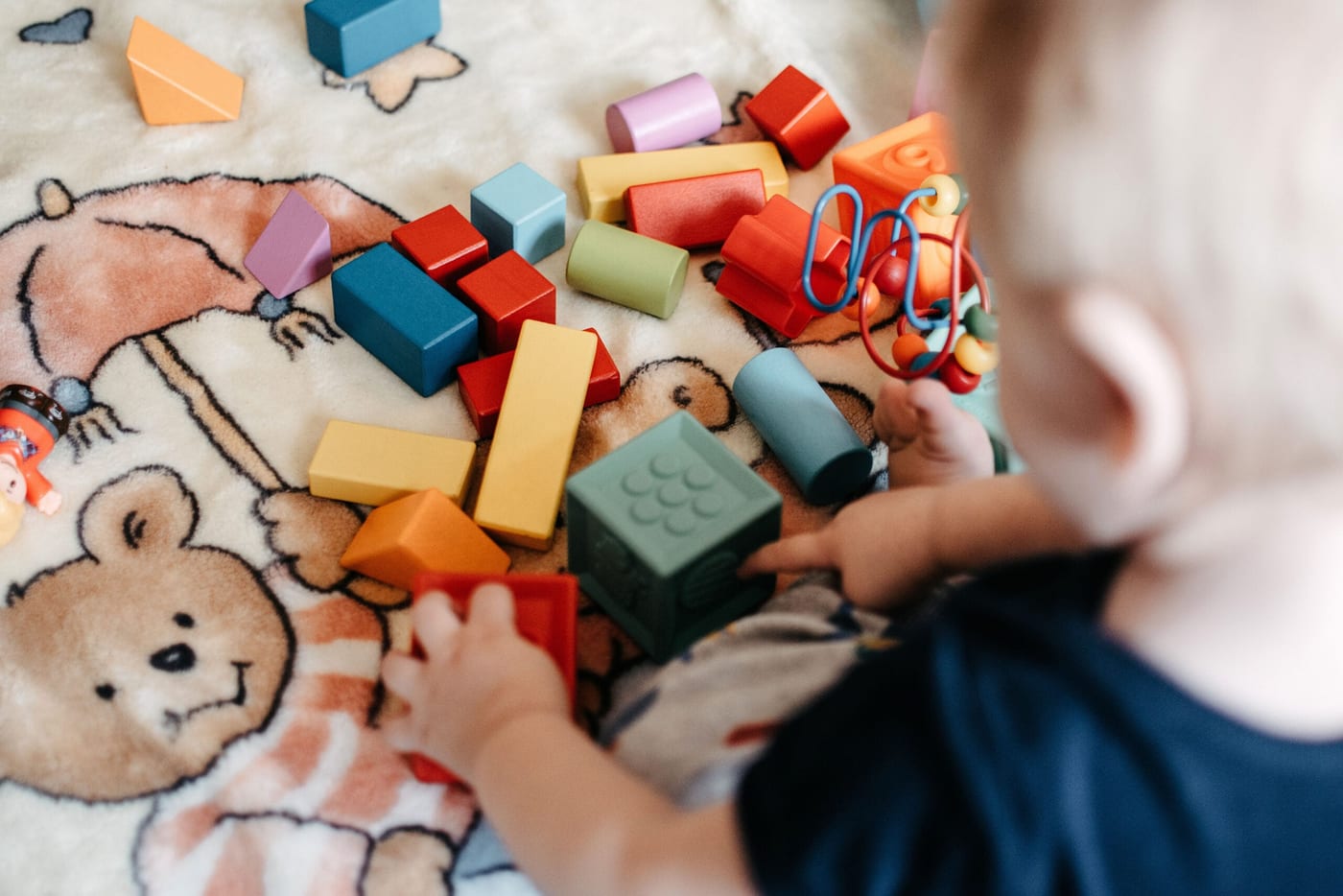
Responsive care
Educarers talk, sing and play with each child through daily routines, building trust and emotional security.
- Attachment and trust
- Early social awareness
- Familiar routines and caregivers
Ages 2 to 18 months · Infant Care
Infant Care at ChildFirst @ Kingsford Waterbay, with teachers who care for your baby as an individual.
 I am safe & loved!
ChildFirst Pre-school Infant Care Programme
Infant Care Programme | ChildFirst Pre-school @ Kingsford Waterbay
I am safe & loved!
In the first months, babies learn whether the world is safe and whether the people around them will respond. Steady, caring routines are how trust grows, and trust becomes the base for later confidence and curiosity. Our educarers build warm, responsive relationships and keep routines consistent and personal to your baby, and we keep you closely informed, because choosing infant care is a big step for parents.
Learning is built into everyday care: close relationships, early language, and safe space to move.
Educarers talk, sing and play with each child through daily routines, building trust and emotional security.
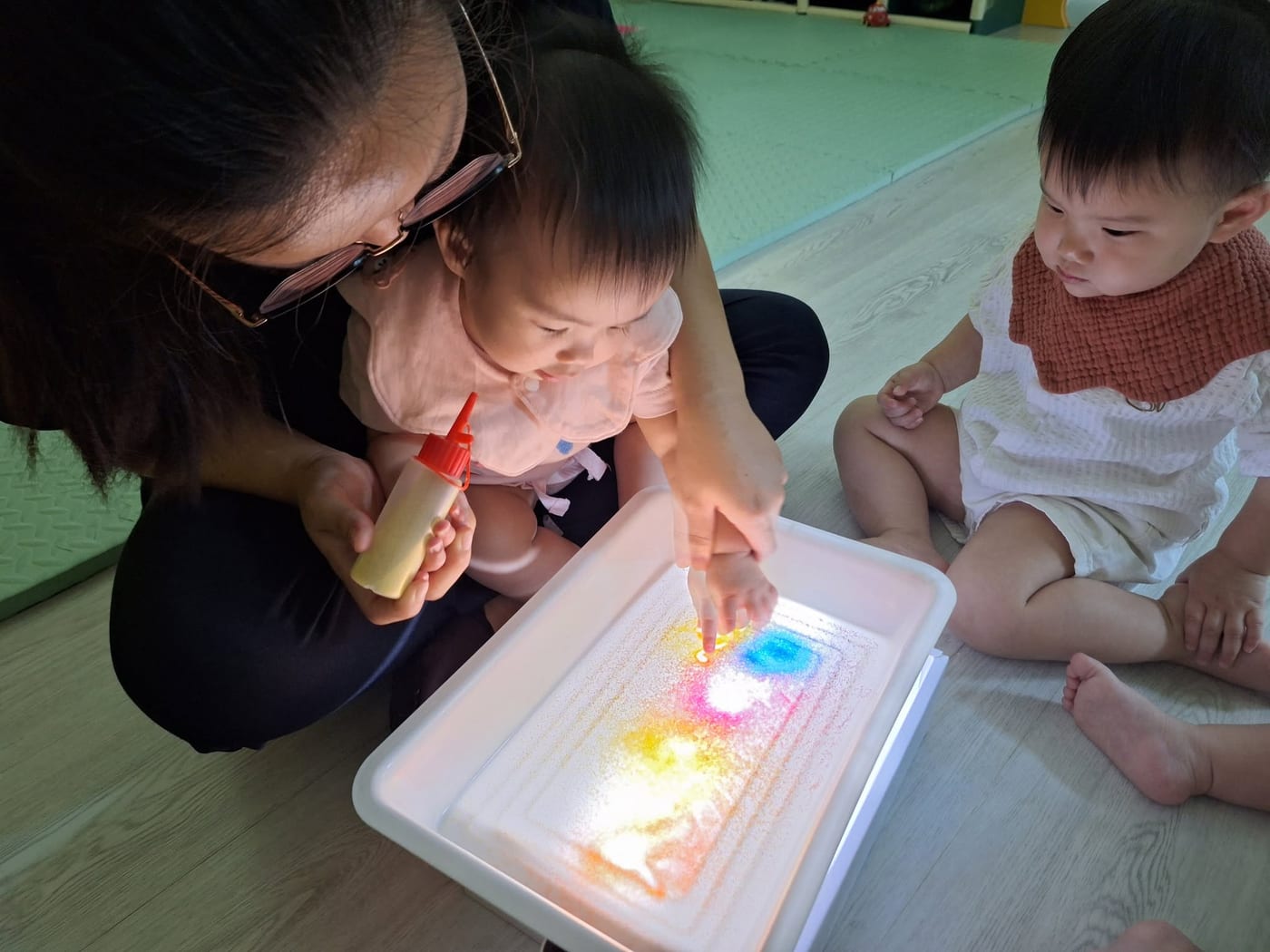
Songs, rhymes, stories and conversation introduce both English and Chinese.
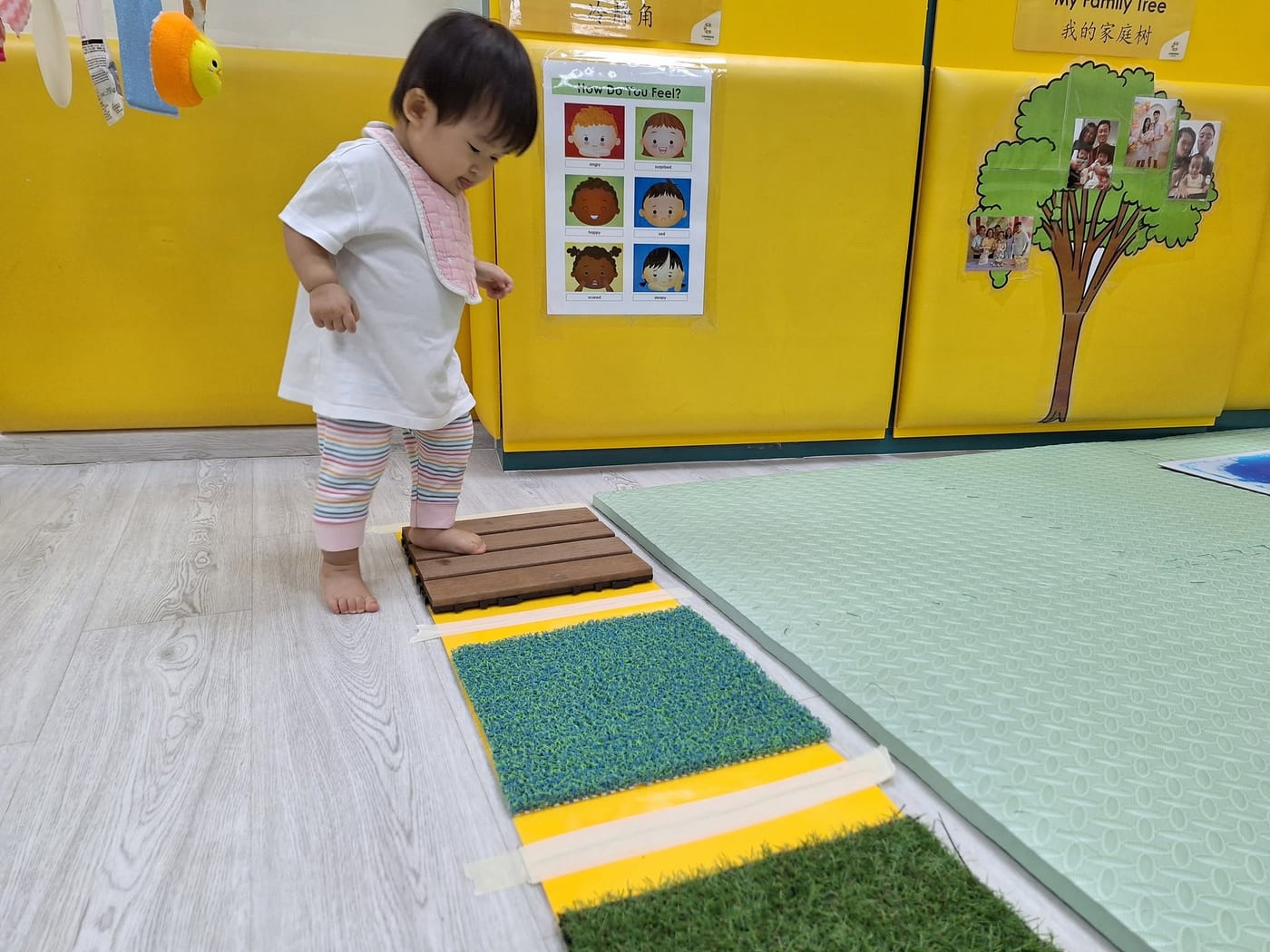
Children move and explore at their own pace in a safe, supervised space.
The details parents ask about, one tap each.
A daily report and photos go straight to your phone through our Parent Communication App.
The timing and intake of milk, meals and snacks.
The start and end time of every nap.
How often, with details of changes or potty visits.
Notes and photos of what your child enjoyed today.
Three gentle steps, so you and your baby settle in together.
A scheduled 30 to 60 minute visit. Explore the room, get familiar with the space and meet our care team.
Everything clearly labelled.
Stages in grey come later in your child’s journey. The full journey is on the curriculum page.
In the age of AI, human intelligence matters more than ever. Curiosity, judgement, wisdom and creativity are what set a child apart from AI, so we build them first, from the earliest months.
Every child is different. We develop the uniqueness of each child, discovering and nurturing their own strengths across eight intelligences, rather than measuring everyone against one standard.
The eight intelligences, including music and art (picture smart), all run from 2 months to 6 years.
Three of the most important languages in the world: English for communication, Chinese for language and culture, and AI for future readiness. English and Chinese are half a day each from 18 months, and AI joins gradually from age 3.
Responsive, personal care from consistent educarers, and familiar routines. A talk with you before day one, and shorter days at first.
No. Infant Care is at ChildFirst @ Kingsford Waterbay. Our other centres welcome children from 18 months.
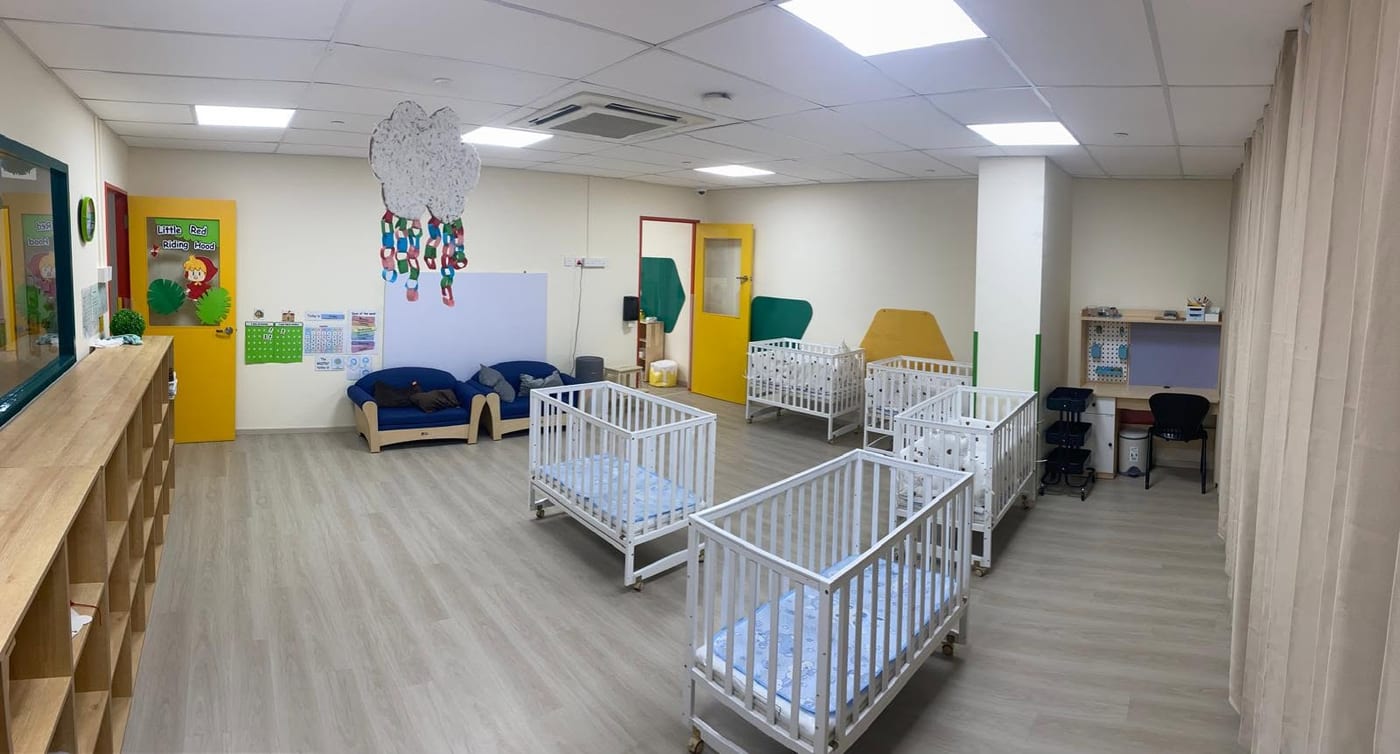
CCTV and controlled access, with one educarer to every three infants.
Personalised routines that follow your baby's rhythm. Bottles are kept in dedicated refrigerators, gently warmed, and washed and sterilised after every use. Babies sleep on their backs in fitted-sheet cots, with no loose blankets, pillows or soft toys.
No screens at this age, in line with MOH's January 2025 guidance of none under 18 months, including background screens.
Yes. We arrange a 30 to 60 minute orientation visit before day one. The first days are shorter: 2 to 3 hours on day 1, a half-day on day 2, and full days from day 3.
From 18 months.
Come and see the infant care room and meet the educarers. Our other centres welcome children from 18 months. Planning ahead? Tell us when you would like your baby to start, and we will get in touch about 5 to 6 months before.
50 Upper Serangoon View #01-01, Singapore 533893